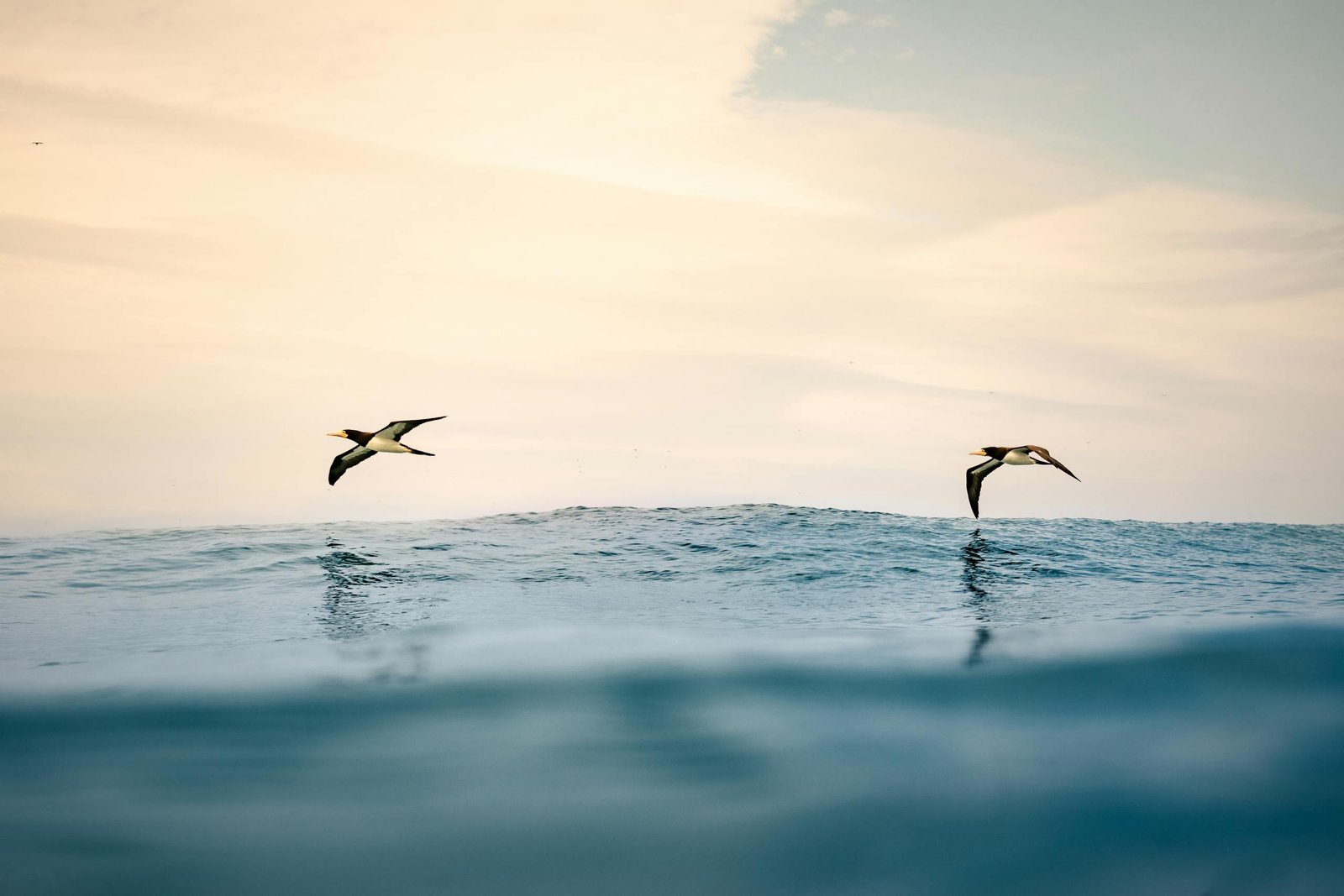
Shearwaters make efficient navigational decisions, even at very fine scales
Editor’s note
You may like this paper Puffins are hero navigators for Animal Nav.

Editor’s note
You may like this paper Puffins are hero navigators for Animal Nav.
British Trust for Ornithology: www.bto.org/ Bird research charity in the United Kingdom. Research investigating the populations, movements and ecology of wild birds. You will see that we have links to this site in several places but under especially under “cuckoo tracking” in recent post and interesting sites. Phil Atkinson (Head of International Research) spoke to me…
Warrant11 2016 Here is a fascinating paper about The Australian Bogong Moth Agrotis infusa: which is the most amazing Long-Distance Nocturnal Navigator. As they navigate at night their feat is perhaps even more amazing than the migration of the Monarch butterfly in the USA. Richard Nissen editor Warrant E, Frost B, Green K, Mouritsen H, Dreyer D, Adden A, Brauburger K and Heinze S (2016) The Australian…
This paper on olfactory landmarks is interesting as it covers the idea that the distinctive smell of a place can help navigation by creating a new landmark for helping an animal navigate. The recognition of a spatial landmark by its sensory features poses a problem for neural circuits. Fischler-Ruiz, et al. show how this problem…
Transumance is the seasonal movement of animals from the lowlands to high pastures for the summer months. This article and images come from witnessing Transumance in the Cevennes each year and talking to Annie Lashermes whose flock it is. The tradition of Transumance goes back millennia. Richard Nissen Editor <<<<< Transumance routes A shepherd with…
Editor’s comments: Please find this extract talking about the Sami, the ancient aborigine people of Northern Sweden, Finland etc. We have sometimes called them Lapps see: http://en.wikipedia.org/wiki/Sami_people This extract comes from a book about the ancient lifestyle of these people and has been translated by our Deputy Editor Kerstin Williams who is working with us to understand the Sami people…
Intro to the paper >>>> This paper is important as it begins to investigate a genetic basis to animal navigation and focuses on finding markers to get a grip on understanding the underlying genetic architecture of migration Cross-breeding experiments were carried out in the 80/90s by Peter Berthold and his team at the Max Planck Centre in Seewiesen….