
Similar Posts
The Wayfinders of the South Seas
I was looking through an old copy of Classic Boat magazine (September 2004) when I discovered this article on how traditional Polynesian navigators operated. I have précised this article. For me, the importance of all this is that humans are animals but we can communicate together so that insights on how we navigated before the…
Intro This site takes you into the world where technology is trying to understand animal migration by using tags and a sophisticated satellite system to follow routes taken by animals. Up until now tags have often been very heavy, or at least too heavy for a lot of tiny birds that make huge migrations such…
The long Way (excerpt) by Bernard Moitessier
Bernard Moitessier sailed single handed around the world in 1969 and published his accounts of this trip in 1971 in the book “The long Way”. This description comes from this book. Moitessier was a very seasoned sailor when he undertook the single handed round the world challenge in 1969. He opted out of the race…
To cross or not to cross
Recently Vera Brust, Bianca Michalik and Ommo Hüppop have produced a paper called “To cross or not to cross – thrushes at the German North Sea coast adapt flight and routing to wind conditions in autumn”. They looked at some of the thrush family (blackbirds, redwings and song thrushes) that migrate across the North sea from the German…
Does Your Language Shape How You Think?
This is a fascinating link that describes how in many languages you always refer to yourself and give instructions in a geographical manner: move your foot North for instance. This means that all the speakers of these languages always know their orientation. We know that language controls what we think but this use of language gives…
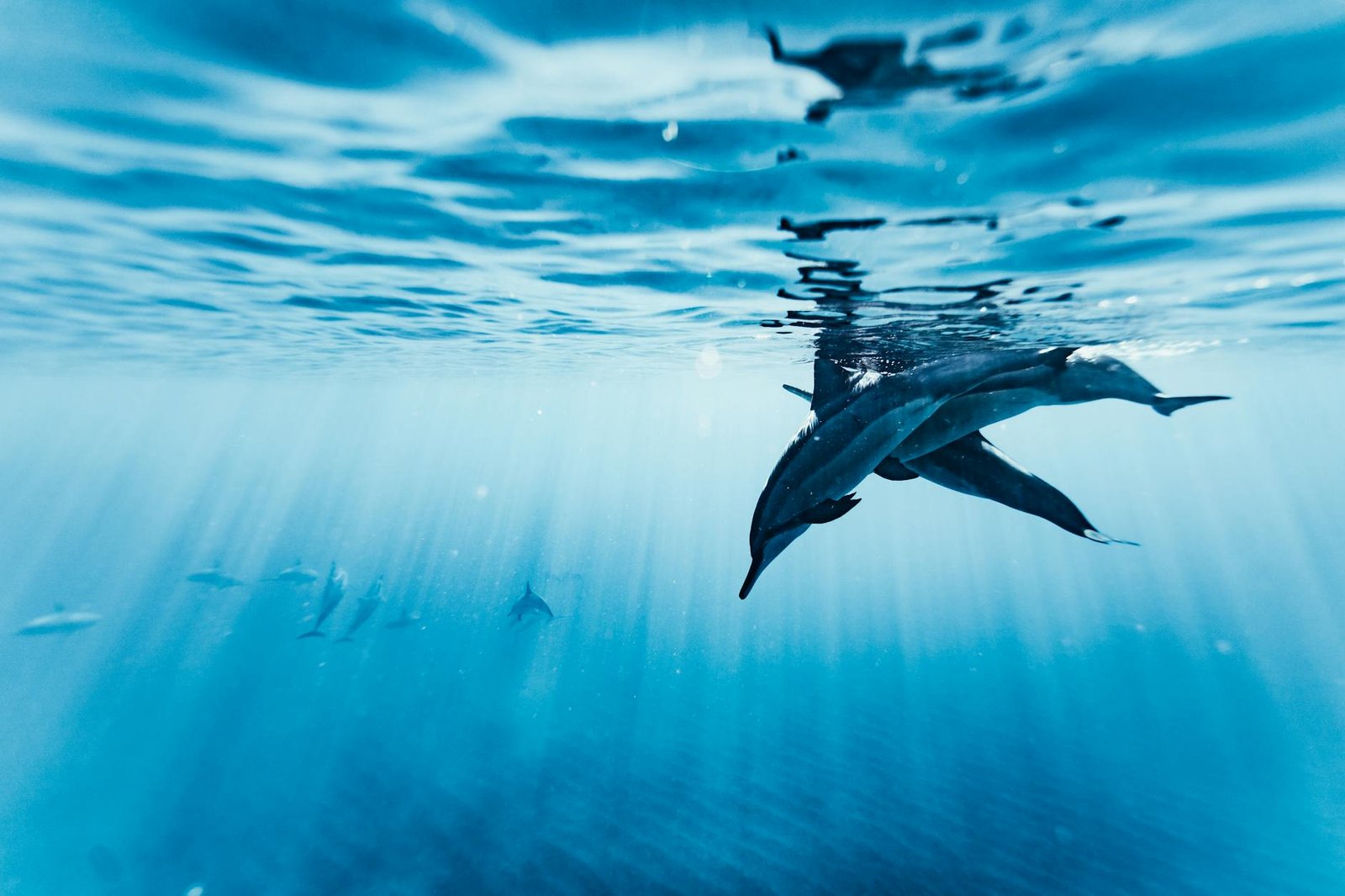
Cat on boat plays with Dolphins
Do enjoy this piece of fun! Cat on boat plays with Dolphins Do you think that the cat and the dolphins are doing more than playing with each other out of curiosity or are they communicating? Richard Nissen editor